
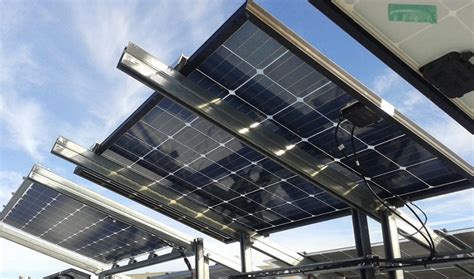
Solar panel is also known as a solar cell. It is the main product of the solar energy system, which occupies an important place among the renewable energy sources. Thanks to silicon cells, it converts the sun's rays directly into electrical energy (direct current). The most important feature that differentiates the panels from each other are the cells. There are basically two types of cells. Both types of panels are of good quality and have the same warranty period. The optimal choice should be made depending on the place of use and climatic conditions. The power specified on the tables means the power that is generated per hour with full irradiation. Example: A 275W panel generates 275W of electricity in one hour.
Traditional (monofacial) solar panels capture sunlight on one side that absorbs the light, and uncaptured light energy is reflected back. Bifacial solar panels are solar panels that can capture sunlight from the front and back. A bifacial solar panel is very different from a traditional monocrystalline or polycrystalline silicon panel. One of the most notable physical attributes of bifacial panels is their thin profile - many bifacial designs require a limited frame, and the modules themselves are surrounded by a thin, transparent layer that can be double-glazed or have a transparent backing.
Half-cut solar cells are exactly what their name suggests: they are conventional silicon solar cells that have been cut in half with a laser cutter. Half-cut cells in solar panels can help improve the power output of a solar panel system. half-cut cells offer several advantages over traditional solar cells. Inverter is another important device in the solar energy system. An inverter is a device that converts direct current (DC volts) from batteries or panels to alternating current (AC volts) according to the city grid voltage. In this way, the electricity generated by the sun is converted into city grid voltage, so that the devices in your home and work can function. Solar inverters are divided into two groups: on-grid and off-grid.
Working principle of Solar System
The ways the solar system work is that; the rays coming from the sun produce electricity as direct current (direct current) thanks to the panels. This electricity goes to the inverter and thanks to the inverter, it gets to the appliances as alternating current (alternating current) to meet the electricity needs of your home. With grid-tied systems, if more electricity is produced than your house needs, the excess energy is released to the grid thanks to the inverter. In the opposite case, the required power is taken from the power grid and, thanks to the inverter, is forwarded to the devices in the house. In off-grid systems, thanks to the inverter, the excess electricity is transferred to the batteries to charge the batteries. In the opposite case, the required electricity is taken from the batteries and, thanks to the inverter, is forwarded to the devices in the house.